If you’re flying from Cebu Pacific from Manila, then navigating Ninoy Aquino International Airport (NAIA) can feel like a puzzle. Knowing the correct terminal can save some last-minute airport sprint.
This blog breaks down what terminal Cebu Pacific is at Manila Airport (MNL), what to expect at the counter, for a smooth start to your journey.
The ‘5J’ Vs ‘DG’ Rule
The quickest way to identify the correct terminal is by looking at the flight number on the booking confirmation or electronic ticket.
- Flight Code 5J (Cebu Pacific Mainline): Almost all mainline flights, both domestic and international, operate out of Terminal 3
- Flight Code DG (Cebgo): These flights are for smaller destinations and are operated by the turboprop fleet (Cebgo), they are currently based at Terminal 2.
Terminal 3: The Primary Hub (5J)
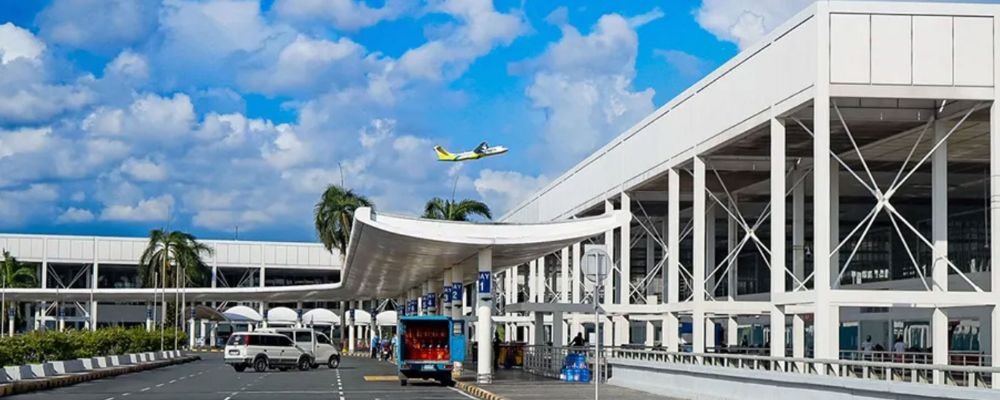
Terminal 3 is the largest and most modern facility at NAIA. It serves as the main base for Cebu Pacific’s primary jet fleet.
What to expect:
- Location – Situated in Passay City, directly across from Newport City
- Amenities – The terminal offers the widest selection of dining, retail, and lounge options, along with duty-free and shopping zones.
- Check In – The check-in counters are expensive, but because of the high volume of people using the mobile app for a digital boarding pass is highly recommended. The area is spacious and features self-baggage-drop kiosks.
- Departure Gates – After clearing security and immigration, the gates are located within the same building where the boarding process begins.
Terminal 2: The Cebgo Area (DG)
Following the recent reshuffle managed by the NAIA infrastructure corp (NNIC). Cebgo flights were moved from Terminal 4 to Terminal 2 to streamline operations.
What to expect?
- Location – Known as the ‘Centennial’ terminal, it is located between Terminal 1 and Terminal 4.
- Amenities – While smaller than Terminal 3, it offers a more straightforward layout. It is primarily a domestic hub, making the transition from check-in to the gate relatively quick.
- Departure Gates – The gates are just past the security screening area on the same level. Terminal 2 has a simpler, linear layout, making the distance from check-in to the gate short.
Reaching the Terminal
Transportation options can vary depending on your starting location and the level of convenience you want.
- Ride-Hailing and Taxis – The most direct method is to use a ride-hailing app like ‘Grab’, just pin the terminal location and reach the airport. Yellow taxis are available throughout the city.
- UBE Express P2P Bus – The premium bus service connects major hubs directly to Terminal 2 and 3.
- Inter-Terminal Transfer- A dedicated airport shuttle moves between terminals 1, 2, 3, and 4. This is ideal for those arriving at one terminal but departing from another.
- Private Car- Vehicles can be booked, and they can drop the passengers off at the designated Terminal.
Cebu Pacific Check-in and Boarding Tips
If you are flying with Cebu Pacific, play it smart by following some boarding tips that will save not just your time but also your energy.
- Arrive Early – For domestic routes, check-in counters open 2 hours before departure, and for international routes, arrive 4 hours before the scheduled flight.
- Leverage Digital Check – Use the Cebu Pacific mobile app or website to check in up to 48 hours before the flight. This generates a digital boarding pass, allowing the passengers to move directly to the gate if there are no bags to drop off.
- Self-Service Kiosks – In Terminal 3 (Row 3 and 4) and Terminal 2 (Row 5 and 6), use the kiosks to print boarding passes and bag tags. This often bypasses the longer main counter lines.
- Baggage Rules – The standard hand-carry allowance is 7kg. Ensure that power banks are in a carry-on bag, as they are strictly prohibited in checked ones.
- Gate Awareness – Boarding typically begins 45 minutes before departure. Check terminal monitors frequently, as gate reassignments are common during peak hours.
Conclusion
Terminal assignments for Cebu Pacific at Manila Airport (MNL) are determined by the specific flight code on the itinerary. Now that you know what terminal Cebu Pacific is at Manila Airport, you can navigate through the airport successfully by staying informed about the terminal/counter areas. Arriving at the correct building ensures more time to utilize the available amenities and a smoother check-in process.
It becomes much more manageable when using digital tools like mobile check-in and eTravel portal before reaching the airport. Whether heading to a domestic destination via Terminal 2 or an international one via Terminal 3, being aware of the specifics will only make the journey convenient. The focus should be on the trip, not the long sprints at the airport.
FAQS
Cebu Pacific primarily operates from Terminal 3 at Ninoy Aquino International Airport (NAIA) for both domestic and international flights.
5J is the airline code assigned to Cebu Pacific. It is used in flight numbers, booking systems, and airport displays.
Most Cebu Pacific domestic flights depart from Terminal 3 at Ninoy Aquino International Airport (NAIA).
No, walking between terminals is not practical. NAIA terminals are far apart, so it is better to use the airport shuttle service or taxis.
Arrive at least 2 to 3 hours before domestic flights and 3 to 4 hours before international flights.