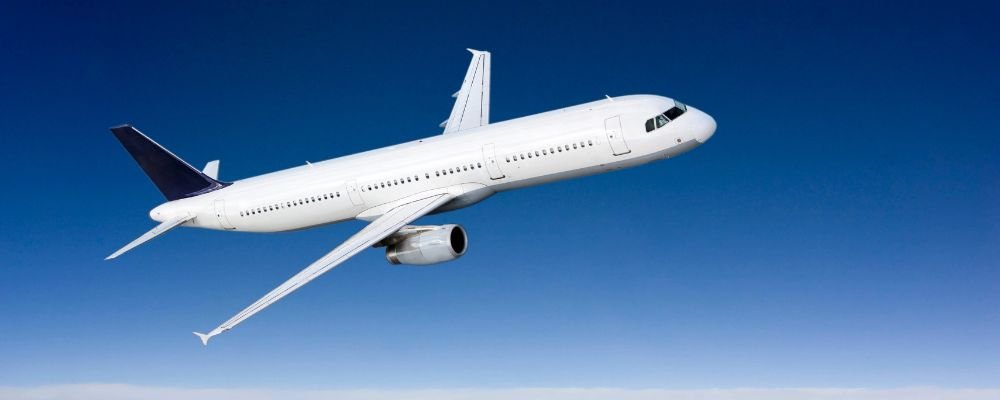
When we mention the safest airlines, the conversation is not just about avoiding danger; that’s the bare minimum. These days, ‘zero-error’ culture, biometric seamlessness, and predictive technology define safety. The Federal Aviation Administration (FAA) closely oversees airline operations in the US, where aviation safety regulations are quite strict and thorough. In today’s era, air travel remains the safest form of transportation in the country due to advanced technology, better turbulence forecasting, high standards, and highly skilled personnel.
Even now, when a person reserves a ticket, safety remains one of the first and major things everyone considers. And if you’re looking for extra peace of mind when packing for your upcoming trip, here are the top safest airlines to fly in the United States based on the latest safety audits and fleet inspections that are keeping the skies safe and secure this year and beyond.
FULL SERVICE U.S AIRLINES
More than 11.2 million air carrier departures occur annually in the United States, transporting millions of passengers with very few serious incidents.
Full-service or ‘legacy carriers’ are recognized for their huge infrastructure and multi-layered safety protocols. In 2026, these airlines set the gold standards for domestic and international travel.
Alaska Airlines
Independent aviation safety organizations regularly give Alaska Airlines very high safety scores.
- For three years, Alaska has ranked #15 globally among U.S. full-service carriers.
- Maintains an excellent safety record, with no passenger fatalities in recent years and very few mishaps in comparison to its flight volume.
- Consists of a modern fleet, trains pilots, adheres to strict regulatory procedures, and ensures thorough oversight of maintenance.
- An additional point is that the airline has one of the youngest fleets in the industry. By regularly retiring older aircrafts and investing in new, fuel-efficient models that have advanced safety technology, the risk of mechanical problems is reduced.
Delta Air Lines
Delta AirLines has a 7/7 safety rating from the aviation safety monitoring site AirlineRatings.com, the highest possible score.
- Delta’s strength lies in its size, independence, and meticulousness in the in-house maintenance department.
- By handling their own monitoring and regular checks, they maintain a certain level of quality control that reduces safety risks and mechanical delays.
- Delta Air Lines, ranked #23 globally, is known for its ‘under-one-roof’ inspection philosophy.
- Known for rigorous pilot training and emergency preparedness.
- Invests heavily in technology that improves flight safety, including AI-based turbulence-prediction tools, advanced aircraft-monitoring systems, and real-time operational safety tracking.
Hawaiian Airlines
In global airline safety rankings, Hawaiian Airlines is consistently ranked among the safest airlines in the United States and worldwide.
- Has one of the most praiseworthy track records in aviation history and is widely cited for its outstanding safety performance.
- Operates modern aircraft on routes connecting Hawaii with the mainland United States and international destinations.
- It has maintained its consistency and reputation for safety and operational performance.
- Their focused routes and zero adversities make them a top choice for cautious travelers.
- Operated for nearly a century and has never experienced any fatalities or aircraft hull losses, which is quite rare.
United Airlines
United Airlines operates one of the largest international airline networks. Despite its scale, it maintains strict protocols and strong operational control systems.
- This airline has earned its reputation by investing heavily in safety technologies and predictive maintenance.
- In 2026, they are industry leaders in using AI to monitor aircraft health in real-time.
- Their rigorous pilot training programs take place at their world-class flight training center in Denver, ensuring their crew remains prepared for any situation.
- Pilots training that includes simulator-based emergency training, regular proficiency checks, and scenario-based safety drills.
- Work under strict supervision from the Federal Aviation Administration.
LOW-COST U.S. AIRLINES
In 2026, low-cost carriers proved that affordable ticket prices do not mean compromising on safety. Many of these airlines operate new aircraft and a structured fleet.
Southwest Airlines
Southwest Airlines is one of the largest domestic airlines carriers in the United States. It has built a reputation for reliability and disciplined operational procedures.
- The airline operates under strict safety regulations set by the Federal Aviation Administration, which monitors maintenance, pilot training, and flight operations.
- Southwest operates mainly Boeing 737 aircraft, helping streamline maintenance and pilot training.
- The airline encourages employees to report safety concerns and follow strict operational protocols to identify and address issues early.
- Southwest pilots undergo continuous simulator training and routine safety checks to maintain high levels of flight preparedness.
JetBlue Airways
JetBlue Airways combines low fares with a modern fleet, with a strong focus on operational safety.
- JetBlue operates a modern, relatively young fleet of Airbus aircraft, including the Airbus A320 and Airbus A321, equipped with advanced safety technology.
- Pilots undergo regular simulator training and emergency drills to maintain high operational safety standards.
- Strong Federal Aviation Administration safety and maintenance programs.
- It is known for its comfortable cabins and onboard amenities, as well as its advanced monitoring and reporting systems that help identify operational risks early.
Conclusion
Choosing an airline is about more than price or convenience. For many travelers, safety remains the most important factor when booking a flight. Full-service airlines are known for extensive safety measures, modern aircrafts and global operations. Low-cost carriers like Southwest Airlines and JetBlue Airlines make sure that passengers don’t compromise safety just because of their affordable prices.
Overall, flying within or out of the United States remains one of the safest ways to travel. With strict inspections and continuous monitoring, flyers can travel with confidence knowing that precaution continues to be the top priority of these airlines
FAQs
Several airlines, including Delta, United, Hawaiian, and Alaska airlines, are recognized for their safety records.
Yes, the United States has one of the most regulated aviation industries, and airlines are considered among the safest globally.
Airline safety in the United States is regulated by the Federal Aviation Administration (FAA), which sets and enforces safety standards for airlines and flight operations.
Based on 2026 safety audits, incident records, and fleet age, the safest airlines in the US are Alaska Airlines, Delta Air Lines, Hawaiian Airlines, United Airlines, JetBlue, Southwest Airlines, Frontier Airlines, Allegiant Air, Spirit Airlines, and a few other big names.